Cast Iron vs Steel For Personal or Commercial Bench: Which Outdoor Park Bench Lasts Longer?
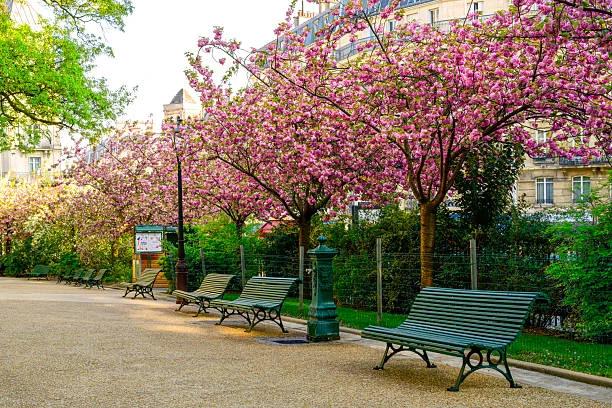
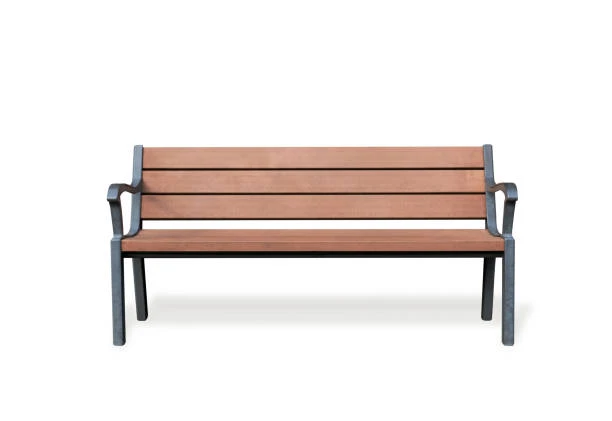
The choice between a cast-iron seat and a steel park bench seat is difficult: both have the same use case, and they both give a similar aesthetic look when installed in a park. The difference comes down to how they behave when installed outdoors. There are tons of blogs debating which option is better: cast iron vs. steel park benches, but honestly, each has its own advantages and disadvantages.
If your house has a traditional appearance, cast iron can suit the outdoors perfectly because it is heavier and gives a heritage aesthetic. Steel, for a metal bench, is stronger under load. It is easier to treat and works better in all types of weather.
Some people looking for cost-effective alternatives also go for backless or thermoplastic options, though quality and durability are what differentiate a good product from a bad one.
In this article, we’ll explain how these two metals perform differently outdoors and how they rate on other important benchmarks like outdoor bench durability, cost, and climate suitability.
1. Cast Iron vs. Steel: How Garden Benches Differ?
As you finalize which metal will suit your outdoor durability structure, you should first understand the key differences between them. These two metals are completely different materials. They have different costs, durability standards, and maintenance requirements. These metals also undergo different manufacturing processes.
Cast iron is a refined form of melted iron. Once melted, the iron is poured into a mold. If your preference is for heavier structures with compressive strength, cast iron can be a good option. In many areas where the preference is for a traditional look, people prefer cast iron benches for parks.
Steel, which is a refined form of iron only, is also a great option if you are planning to install durable benches, which give aesthetic look. Steel has better molding capabilities than iron — galvanized steel, powder-coated steel and stainless steel — and people can choose as per their preference and budget.
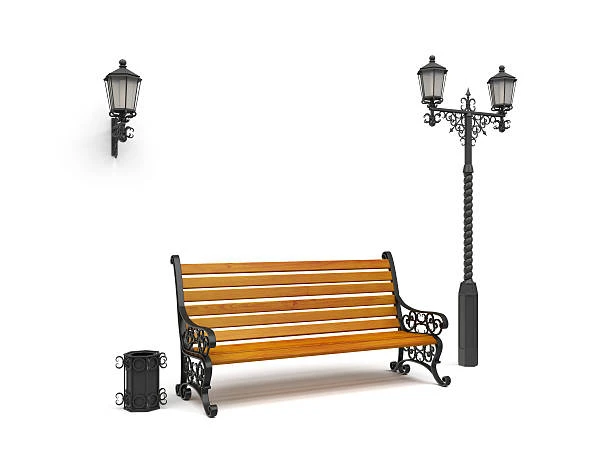
(1) What Makes Cast Iron Benches Unique
Buyers consider cast iron for two reasons: its weight and appearance. Iron is one of the heaviest metals. A typical park bench weighs around 80-120 kgs. If fitted properly, it’s a one-time investment for a long time. Since cast iron can be molded, there are several design options that people can choose before finalizing the product.
You can also select cast iron if you live in areas where theft and vandalism are concerns. If you choose Hannah Technology, the company specializes in cast-iron park benches. Hannah Tech’s bench products are not only sturdy, but they also come with various design options.
Cast iron is cheaper than steel, and many customers prefer it for its longer lifespan. However, it has also come with disadvantages. Cast iron is brittle as it contains around 4% carbon content. So if there’s high impact, it just breaks or shatters, unlike steel, which may bend rather than fracture in such situations. Some people also prefer a bench without back or a concrete bench, which is a cost-effective way to install the product.
(2) What Makes Steel Park Benches Different
Steel is the workhorse of the commercial outdoor park bench furniture industry. It’s widely used across both commercial and public seating purposes, and personal properties, making steel an ideal material for park benches. Steel can bend but not break in an impact situation. Customers typically choose powder-coated steel for park benches, which provides both strength and durability.
The extra layer provides extended durability and enables different color coating options. Galvanized products are suitable for all types of weather conditions: they are water-resistant and reduce the impact of intense heat or snow. For a commercial bench, steel is an ideal material that lasts for years. Some people also go for recycled plastic benches or plastic benches, which do not last even two years if the area is prone to harsh weather conditions.
The only disadvantage of steel is damage to its coat. People should use good-quality powder for coating, which lasts longer and protects the steel layer from corrosion.
2. Comparison of Cast Iron and Steel on Durability and Lifespan
Most B2B buyers have only two concerns when looking for a manufacturer: Can the company’s cast iron products guarantee long-term durability, and what lifespan can they achieve? Let’s compare both cast iron and steel based on longevity.
(1) Cast Iron Longevity
Investing in a cast-iron product is often a lifetime investment. It generally lasts for decades — up to 50 years in some cases — provided the metal quality is high. There are areas in Europe and the US, where parks that are maintained by governments have cast-iron benches installed more than 30 years ago. These benches are still strong to this day and appear structurally sound.
It’s an undeniable fact that cast iron will need more maintenance. You have to repaint them after every one or two years if the location is humid. If you live in a dry area, the duration of maintenance, especially painting, can extend up to 3-4 years. But moisture is really a dampener for cast iron, and its coating must be protected to increase its lifespan.
(2) Steel Longevity
The performance of a steel depends upon the area where it’s installed: if it’s in a personal space, it’ll last longer, up to 30 years. In commercial spaces, there’s less care and more usage, so its lifespan will automatically reduce to 15-20 years.
Experts say that you should treat steel in a multi-stage process — first, it should be galvanized and then coated with zinc powder — to ensure bare steel does not get exposed to rain or heat.
If your budget is tight, you may also find several options online. Those willing to install a new one may be willing to put park benches for sale.
3. Cast Iron Vs Steel Comparison In Different Weather Conditions
Outdoor conditions can vary greatly, and if the material is not strong enough, the structure won’t last. The same applies to garden benches. You need to assess your outdoor conditions carefully before choosing the metal.
(1) Rainy, Humid, and Coastal Areas
Treated steel is naturally a better performer in wet and coastal conditions. Untreated iron can become a wasted investment in places where salt air and constant moisture are common. Galvanized steel, on the other hand, protects the metal over the long term and requires less maintenance than iron.
In these conditions, salt acts as a rust accelerator. Moisture tends to react better with iron, causing earlier decay. Powdered metal benches are less likely to get impacted in humid conditions. Choose high-quality zinc powder for steel and keep on maintaining it after regular intervals, as per the advice of your seller. The product will last better in coastal or rainy areas. Cast iron should be avoided in such climate conditions.
(2) Cold and Snowy Regions
Coated steel works better than cast iron in cold and snowy regions as well. Cast iron weakens in colder temperatures due to repeated freeze-thaw cycles. Cold hardens the metal and can break it under constant stress.
Consistent harsh weather – snow or low temperature – can make it rigid, leading to corrosion. The only advantage of an iron bench in snowy conditions is that snow melts faster on iron than on steel due to the material’s thermal conductivity.
Steel with a coated layer protects the metal from reacting to snow, proving the best option if your budget allows.
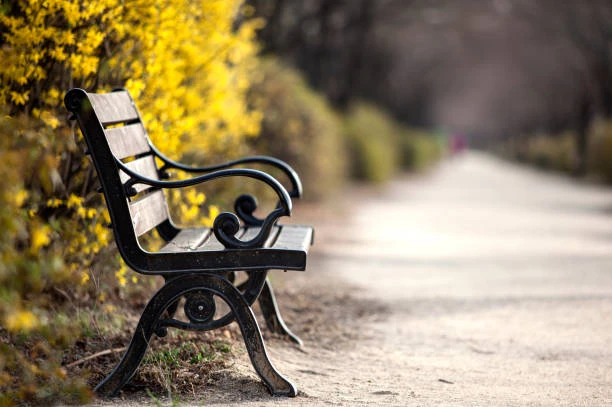
(3) Hot and Sunny Climates
Both steel and iron react to heat. After some time, the coated layer also starts shedding, affecting the inner layer of steel. To protect the metal for a longer period, you can carry out double coating, choosing the white color for better absorption of heat. If you are using benches in your personal space, keep them covered during the daytime if you are not using them.
In these regions, both cast iron and galvanized steel products perform almost the same. Applying a single or double light-colored powder coating helps reduce the impact of heat.
4. Maintenance Comparison Between Steel and Cast Iron

(1) Upfront Cost
When buying a product, a galvanized steel product will typically cost 25% higher than a cast-iron or a hybrid steel frame. Compared to the molding and casting processes required for iron, steel is generally less expensive to produce.
(2) Long-Term Maintenance Cost
Steel is definitely a better option for long-term investment. Galvanized steel treated with high-quality powder coating gives the metal the necessary strength to withstand outdoor environments. You generally won’t require more maintenance than a yearly cleanup and periodic inspections for coating erosion.
Cast iron can prove to be more expensive over time. The product structure will require repainting every 2–3 years if you want to prevent rusting. The upfront cost difference can become irrelevant over 20 years if cast iron products require regular treatment. So, a well-specified galvanized metal wins when it comes to long-term maintenance.
5. Which One Should You Choose?
You have to keep three things in mind before finalizing the material to be used in your bench: budget, location, and aesthetic requirements. Don’t just buy based on cost analysis only, because cheaper products can cost manifold in the long run due to regular maintenance requirements.
(1) Choose Cast Iron
Cast iron is cheaper than galvanized coated steel, so that’s one advantage. Traditional look and maximum design options are other benefits of having a cast-iron bench product. It’s also sturdier than steel if outside conditions, heavy snow or rain, are not playing spoilsport. If you live in places with a temperate climate with low humidity, you can go for a cast-iron bench structure.
Some manufacturers, like Hannah Technology use hybrid designs for benches. You get cast iron bench legs with galvanized steel. This way you get the strength and flexibility of iron and the modern look of steel.
(2) Galvanized Steel is Better
For long-term use, treated steel may provide better value because it reduces maintenance requirements. For B2B buyers managing multiple bench installations at public or commercial sites, this can become a major cost saver because it requires minimal upkeep.
Galvanized metal benches are also preferred in wet, humid, coastal, or cold climates.
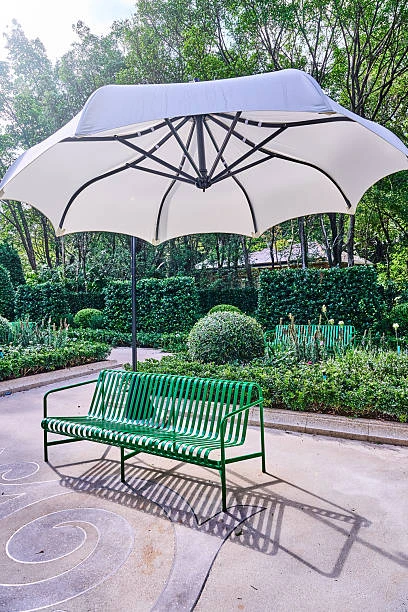
Hannah Technology, one of the largest outdoor product manufacturers in China, is one of the biggest manufacturers of outdoor products in China. Its major offerings include benches, bollards, fences, and pergolas. Hannah ties up with B2B distributors and individual customers and provides custom-designed products based on customers’ requirements. The company boasts of around 20 years of experience in making outdoor products and ships its products to around 30 countries worldwide.
FAQs
(1) I am buying a park bench. Which metal should I choose?
If you are buying a bench for your personal space. Galvanized steel is the best option if your house has a modern architecture. If your house has a traditional design and the outside area also demands a traditional look, and weather conditions are also not harsh, you should go for cast iron.
The only thing you need to keep in mind is regular upkeep. Though steel will require less maintenance over time, you should repaint the iron product every 2-3 years.
(2) Steel or Iron: Which metal rusts faster?
Cast iron is more prone to rust than steel. Steel can be protected using a coating. You can also paint iron as well, but the metal generally holds moisture, leading to corrosion after a few years.
(3) I live in coastal areas. Can I buy cast-iron benches?
You should go for treated steel or a hybrid structure if you are living in a coastal or humid area. Cast iron may not be suitable for such climatic conditions, as salt air reacts with iron, causing corrosion.
(4) Which one is heavier: a cast-iron or steel?
Cast iron is heavier than steel. A typical cast-iron bench weighs around 80-100 kg, as compared to a steel bench that weighs around 40-70 kg, depending upon your requirements.

