Commercial Outdoor Furniture Procurement Checklist
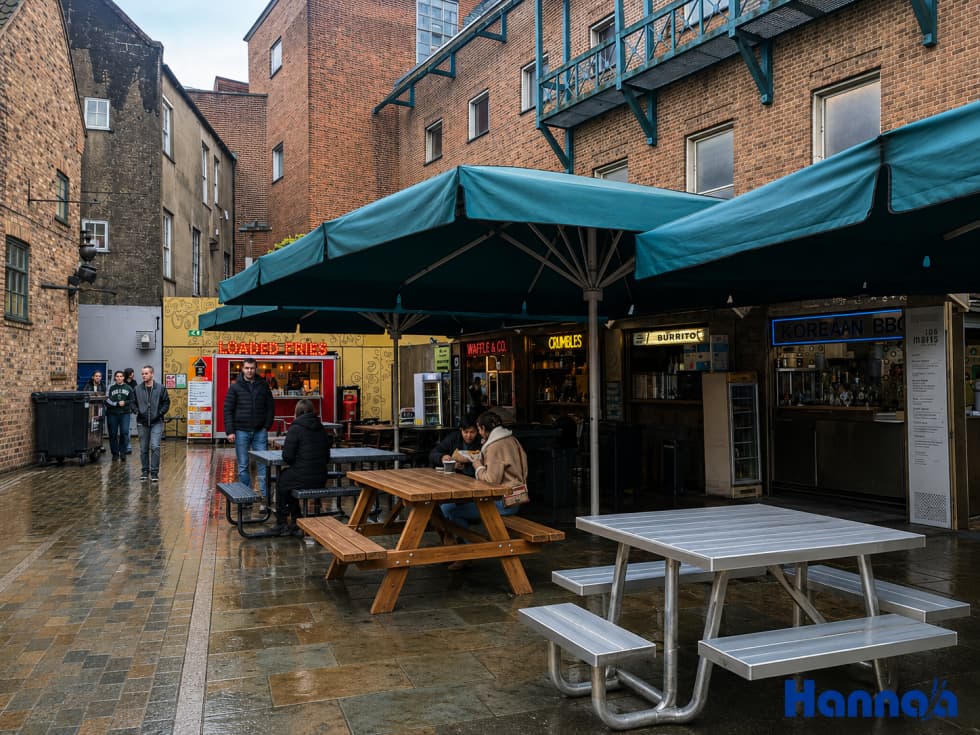
Buying outdoor furniture for a park, school, hospitality site, residential development, or public project involves more than choosing a style from a catalogue. A B2B order has to work for the people who will use it, the team that will install it, the organization that will maintain it, and the budget that will carry the project through delivery.
Custom manufacturing can make the products fit the site more closely, but it also means that more details must be agreed before production. A clear procurement process reduces revisions, avoids surprises in the quotation, and gives the supplier a practical specification to follow.
Use this checklist when sourcing commercial benches, picnic tables, park chairs, planters, and related outdoor metal furniture.
1. Define the Project Before Asking for Prices
Start with the site and the people who will use it. A supplier cannot recommend a suitable product from the words “outdoor bench” alone.
Record the following information:
Project type and location
Number of products required
Intended users and expected traffic
Installation surface and anchoring conditions
Exposure to rain, snow, salt, heat, or pollution
Required delivery date and installation sequence
Any local safety, accessibility, or public procurement requirements
Whether the products need to match an existing design
For a multi-site project, note whether the same specification will be repeated. Repeat orders benefit from a controlled drawing and approved finish reference.
2. Create a Product Brief That a Factory Can Quote
Photos are useful for communicating the general style, but they rarely contain enough information for production. Prepare a short product brief for each item.
Include:
Overall length, width, height, and key clearances
Seat height and seat depth for benches or chairs
Table dimensions and intended seating capacity
Frame, panel, slat, or perforated-sheet design
Material preference and approximate thickness
Surface finish, color, texture, and gloss
Drainage, rounded edges, feet, mounting plates, or concealed fixings
Branding, logo, nameplate, or custom cut-out requirements
Assembly method and packaging limitations
If a final drawing is not available, send marked-up sketches and reference images. Ask the manufacturer to identify assumptions before the quotation becomes a production commitment.
3. Choose Materials for the Site, Not Just the Catalogue
Commercial outdoor furniture may combine steel, cast iron, aluminum, wood, recycled plastic, or other materials. The right combination depends on climate, appearance, expected use, and maintenance planning.
For metal components, discuss:
The steel or aluminum grade
Wall thickness or sheet thickness
Welded versus bolted construction
Corrosion protection and surface preparation
Replacement parts and repair access
Weight, handling, and anchoring requirements
There is no single material that is best for every project. A busy public park may prioritize impact resistance and easy cleaning. A hotel may place more emphasis on color consistency and visual detail. A distributor may need a repeatable specification that works across several destinations.
4. Confirm the Surface Treatment in Writing
“Outdoor finish” is not a complete specification. Ask the supplier to state the preparation and coating process, not just the final color.
Depending on the product and environment, the specification may include powder coating, hot-dip galvanizing, a liquid coating system, or a combined corrosion protection system. Confirm how the manufacturer will treat:
Welds and sharp edges
Cut edges and drilled holes
Hollow sections and trapped moisture
Hidden faces and contact points
Areas that may rub during transport or installation
Request a physical color or texture sample when the appearance is important. A screen image cannot reliably show the final finish under outdoor light.
5. Ask for a Drawing Review Before Mass Production
For custom outdoor furniture, drawing review is one of the most valuable steps in the purchasing process. The purpose is not only to confirm the appearance. It is also an opportunity to check manufacturability and installation.
Review:
All overall dimensions and tolerances
Connection points and fasteners
Drainage and water-shedding details
Weld access and visible weld locations
Edges, corners, and user contact surfaces
Fixing plates, anchor holes, and foundation assumptions
Part numbers and revision dates
Finish callouts and color references
Use one approved revision for production. If a change is needed later, record it as a new revision and confirm how it affects price and delivery.
6. Decide Whether a Sample or Prototype Is Necessary
A sample is especially useful when the order includes a new design, several materials, a custom finish, or a high quantity. It allows the buyer to check scale, comfort, color, assembly, packaging, and perceived quality before the full batch.
Ask how the approved sample will be used during inspection. The sample should not be treated as a separate display item with a different standard from the production order. Record the agreed reference points, photographs, finish sample, and any accepted minor variations.
For a repeat product, a sample may not be required for every order, but the supplier should still work from the same controlled drawing and finish reference.
7. Set Clear Quality Control Points
Quality control is easier when the acceptance criteria are written before production. A basic inspection plan can cover:
Quantity and product identification
Dimensions and fit of key parts
Weld quality and visible surface condition
Coating coverage, color, and finish consistency
Hardware, accessories, and included parts
Stability and assembly checks
Packing condition and labeling
Photographs before loading
For larger or time-sensitive orders, agree whether inspection will happen during production, before packing, or through a third-party service. The required documents and photographs should be stated in the purchase order.
8. Review Packaging and Shipping as Part of the Product
Outdoor furniture can be damaged after it leaves the factory. Scratched coatings, bent brackets, missing hardware, and unclear labels create costs for the buyer and installation team.
Ask the supplier to confirm:
Individual or grouped packing method
Protection for corners, coated faces, and glass or wood parts
Moisture protection during ocean or long-distance transport
Carton, pallet, or crate dimensions and weight
Hardware bags and assembly instructions
Product labels and carton marks
Loading photographs and shipping documents
Packaging should match the delivery route and the way the installation team will unload and store the products.
9. Compare Quotations on the Same Basis
The lowest unit price is difficult to evaluate if each supplier has made different assumptions. Ask every supplier to quote against the same brief and separate the key cost elements.
Compare:
Product price and tooling, if applicable
Sample or prototype cost
Packaging and export packing
Delivery terms and destination charges
Minimum order quantity
Production lead time and sample approval time
Payment schedule
Spare parts or replacement hardware
Inspection and documentation costs
Clarify what is included and excluded. A lower quote may use a different material thickness, coating process, packaging level, or delivery assumption.
10. Confirm the Supplier’s Communication Process
Good communication is a practical part of quality. Assign one contact for drawings, approvals, revisions, and shipping. Confirm how quickly questions will be answered and how changes will be recorded.
Before placing the order, ask who will handle:
Technical drawing approval
Finish and sample approval
Production updates
Nonconformity or damage claims
Replacement parts
Repeat orders using the same specification
For distributors and contractors, a supplier that maintains organized product information can save time across future projects.
A Simple RFQ Checklist to Send a Manufacturer
Your first request for quotation can include this information:
Product: bench, picnic table, park chair, planter, or related item
Quantity: estimated order quantity and possible repeat quantity
Dimensions: drawing, sketch, or reference product
Material: preferred material, thickness, and any required combination of materials
Finish: coating system, color, texture, and sample requirement
Use: project type, expected traffic, and installation environment
Delivery: destination, desired delivery window, and packing requirements
Documents: drawings, inspection records, assembly instructions, or certificates needed
Commercial request: MOQ, sample cost, lead time, payment terms, and quotation validity
This format gives the manufacturer a useful starting point and makes supplier comparisons easier.
How Hannah Supports Custom Outdoor Furniture Projects
Hannah’s website presents a custom manufacturing service covering design and prototyping, laser cutting, bending and welding, surface treatment, and delivery. That type of process can support buyers who need products made from a drawing or adjusted for a particular project.
When requesting a quote, provide the product brief, estimated quantity, drawings or images, finish preference, installation environment, and destination. If some details are not final, identify them as open points. This allows the supplier to explain what can be confirmed immediately and what needs a sample or engineering review.
You can review Hannah’s outdoor furniture range and send the completed information through the quote request page.
Frequently Asked Questions
What Is the Most Important Information for a Commercial Outdoor Furniture Quote?
Quantity, dimensions, material, finish, installation environment, delivery destination, and target delivery date are the most useful starting points. Drawings or marked-up reference images make the quotation more accurate.
Should a B2B Buyer Order a Sample?
Order a sample when the design, finish, material combination, or quantity makes a mistake expensive. Use the approved sample as a reference for production inspection.
How Can Buyers Compare Different Outdoor Furniture Suppliers?
Send the same product brief to each supplier and compare the complete specification, including material, finish, packaging, lead time, inspection, and delivery assumptions.
What Should Be Checked Before Mass Production?
Approve the latest drawing, finish reference, material specification, hardware, packaging method, and inspection criteria. Keep a record of the approved revision.
Can Outdoor Furniture Be Customized for a Project?
Many products can be adjusted in dimensions, materials, finish, mounting details, and appearance. The supplier should review the design for manufacturability before confirming the final price and lead time.
Final Takeaway
Commercial outdoor furniture procurement becomes easier when the buyer defines the project, documents the product, approves the finish, checks a sample when needed, and agrees on inspection and packing before production begins.
A clear brief also helps a manufacturer identify practical options instead of guessing what the project requires. Whether you are sourcing benches, picnic tables, park chairs, or related outdoor products, use this checklist to create a consistent RFQ and reduce avoidable revisions.
For a custom B2B outdoor furniture quotation, send your project details to Hannah.

