What Material Should a Park Bench Actually Be Made Of?
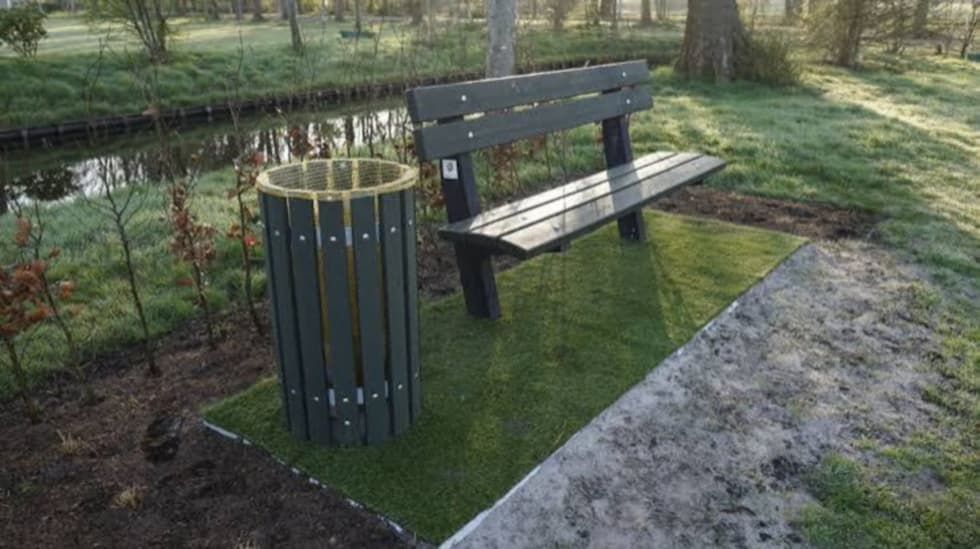
What's the best material for a park bench? If someone's asking this question, they’re probably looking for a simple answer. But it depends on a few factors that simply can't be ignored. Because a bench that’s great for a peaceful backyard might not last nearly as long in a busy public space. Your city's weather, how often the bench is used, how long it's meant to last, and even where it is placed all play a part in how well it holds up over time.
Most commercial outdoor benches are made from materials like aluminum, galvanized steel, ductile iron, wood, or concrete. Each material has its own strengths and weaknesses, so there is no one-size-fits-all option. So, the better you understand what each material can handle, the easier it will become for you to pick a wooden bench that won't have you shopping for a replacement a few years later.
This guide covers the preferred materials for an outdoor park bench: where each one performs well, where it runs into trouble, and how to think through the decision before placing an order. Whether you are a distributor purchasing benches at scale or a homeowner with specific customization needs, this should help you land on the right call. Find the best material for benches along the way!
Common Mistakes People Make When Choosing a Commercial Park Bench
Before jumping into the different materials, let's talk about a few common mistakes people make when choosing one. It is usually that they picked a material that did not make sense for the space, the weather, or the way the bench was going to be used. Keep in mind that a variety of materials are used when manufacturing benches for outdoors; they may have an iron frame, especially the ones established right near a war memorial.
Choosing Based Only on the Price Tag
It is easy to look at the price tag and think, "Great, we found the cheapest option." But that lower price does not always mean you are saving money. A cheaper bench might need more repairs, more maintenance, or even a replacement sooner than expected. But overspending on these benches will make sure they won't burn a hole in your pocket in the future in the name of maintenance costs. Garden benches or benches for park should not be cheaper; they need to be resistant to weather elements... with in-ground foundations.
Ignoring the Environment
A bench has a pretty tough job. It sits outside all year, dealing with rain, blazing sun, freezing temperatures, and everything in between. That is why a bench's place of installation matters just as much as its appearance. A bench that works great in a quiet garden might not survive nearly as long by the coast or through harsh winters. Pick a material that matches the outdoor environment, and your future self will thank you. That's how you'll find ideal commercial park benches.
Assuming Maintenance Will Happen
During the buying process, it is easy to say, "We'll keep up with it." But five years later, regular cleaning, sealing, or repairs may not be happening as planned. It is better to choose a material based on the maintenance you will actually do, not the maintenance you hope to do.
Picking Looks Over Long-Term Performance
A good-looking bench can definitely make a space feel better, but looks are only part of the story. A bench might look perfect on day one, but if it cannot handle the weather or needs more care than anyone has time for, that charm will not last long. The best bench designs balance both.
1.Wood Benches
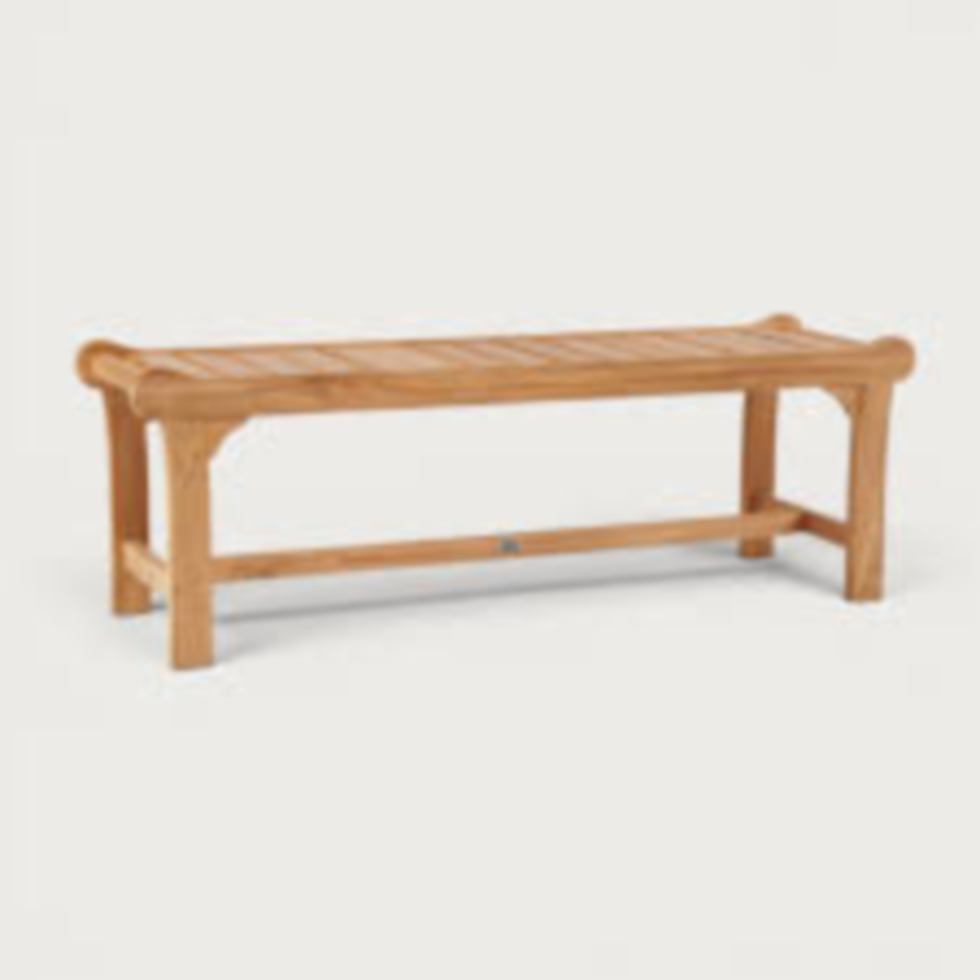
Wood has been a favorite for outdoor furniture forever, and it’s easy to see why. It just has that warm, natural look that works almost anywhere. Backyards, hotel patios, parks, you name it. Your space really looks welcoming and appealing to guests, visitors, tourists, etc.
When it comes to outdoor benches, hardwoods like teak, iroko, and cedar are usually the ones people go for because they hold up better against things like moisture, rot, and insects. Teak is the real workhorse and can last for decades with the right care. Iroko is also a strong option, while cedar is easier on the budget but needs a bit more upkeep over time.
The trade-off is maintenance. Even the toughest hardwoods need to be oiled or sealed about once a year to keep moisture out and prevent fading, mold, or cracking. That is usually manageable for homeowners, but it can become expensive when you are maintaining benches across a large park or commercial property. Research from the MDPI Materials Journal confirms that UV rays, humidity, and rain all affect wood surfaces over time, which is worth keeping in mind for benches going into various outdoor settings. The lightweight nature of wood boosts its portability in busy public arenas.
2.Aluminum Benches
If you are looking for something that is easy to live with, aluminum benches are hard to beat. The biggest reason? They do not rust. Unlike steel, you do not have to worry about constantly keeping rust at bay, which is a big plus if you want an outdoor bench you can install and mostly forget about.
Aluminum benches are also surprisingly lightweight, so if you ever need to move one, rearrange your space, or ship several units across regions, you will definitely notice the difference. That said, lightweight here does not mean flimsy. A well-built aluminum bench holds up to regular outdoor use without structural concern.
Still, aluminum isn't always the go-to answer for every outdoor seating project. If the bench is going in a busy public space where it will take a lot of abuse, steel or concrete will usually hold up better. As Corrosionpedia explains, aluminum's oxide layer regenerates on its own under most conditions, but in heavily coastal environments, it can still show wear over time. Most aluminum benches come with a quality finish that keeps them looking great, but if you are right by the ocean or somewhere with harsh winters, that finish can wear down. It will not suddenly fall apart, but it might need a touch-up if you want it to keep looking new. For surface mount installations in courtyards and commercial settings, aluminum is a strong and practical choice.
3.Galvanized Steel Benches
Ever tried pushing a heavy steel bench just a few inches because it doesn’t feel like it’s in the right spot? You’ll probably give it your best shot for a few seconds before realizing it’s not going anywhere. And honestly, that’s exactly how it’s supposed to be. Galvanized steel benches are built to stay put and keep doing their job year after year. That’s why you’ll see them in city parks, schools, bus stops, and public squares, where they have to deal with a steady flow of people every single day without any fuss.
Galvanized steel gets its corrosion resistance from a zinc layer applied over the steel base. This Old House notes that as long as that zinc layer stays intact, galvanized steel holds up well even in wet climates. If it gets chipped or scratched, touching it up before rust spreads is worth doing. If your bench is going near the coast or somewhere that’s always humid, go with a powder-coated finish over the galvanized steel... even a thermoplastic coated bench would be fine for a mall or apartment (even a work facility). It gives the bench some extra protection and helps it stay looking good longer. It’s a small upgrade, but one you’ll be glad you made later.
For public spaces and office parks, galvanized steel just makes sense. It’s built for people to use all day, every day, without much maintenance. Put a 6-foot galvanized steel bench in a busy transit plaza, and it’ll just sit there doing its job for years. Many people prefer these benches for how portable they are; they can be used as a table for dinner, a family picnic, heavy duty work, or a friendly chess game.
4.Ductile Iron Benches
Ductile iron is kind of the sweet spot when it comes to outdoor seating. You get the classic, heavy-duty feel of iron, but it’s much tougher and more forgiving than older types of cast iron. It handles impacts better, flexes a little more under stress, and is much less likely to crack. If you’ve ever walked past a beautiful, detailed bench in a historic square or a high-end outdoor space and thought, “That looks different,” there’s a good chance it was ductile iron.
Iron works so well outside because it has a stronger internal structure that gives it a bit of flexibility. Now, this quality is pretty useful when you’re dealing with weather issues in your area like shifting ground, changing temperatures, everyday wear & tear, riots, etc. These benches weigh a lot as well, so they tend to just stay where you put them.
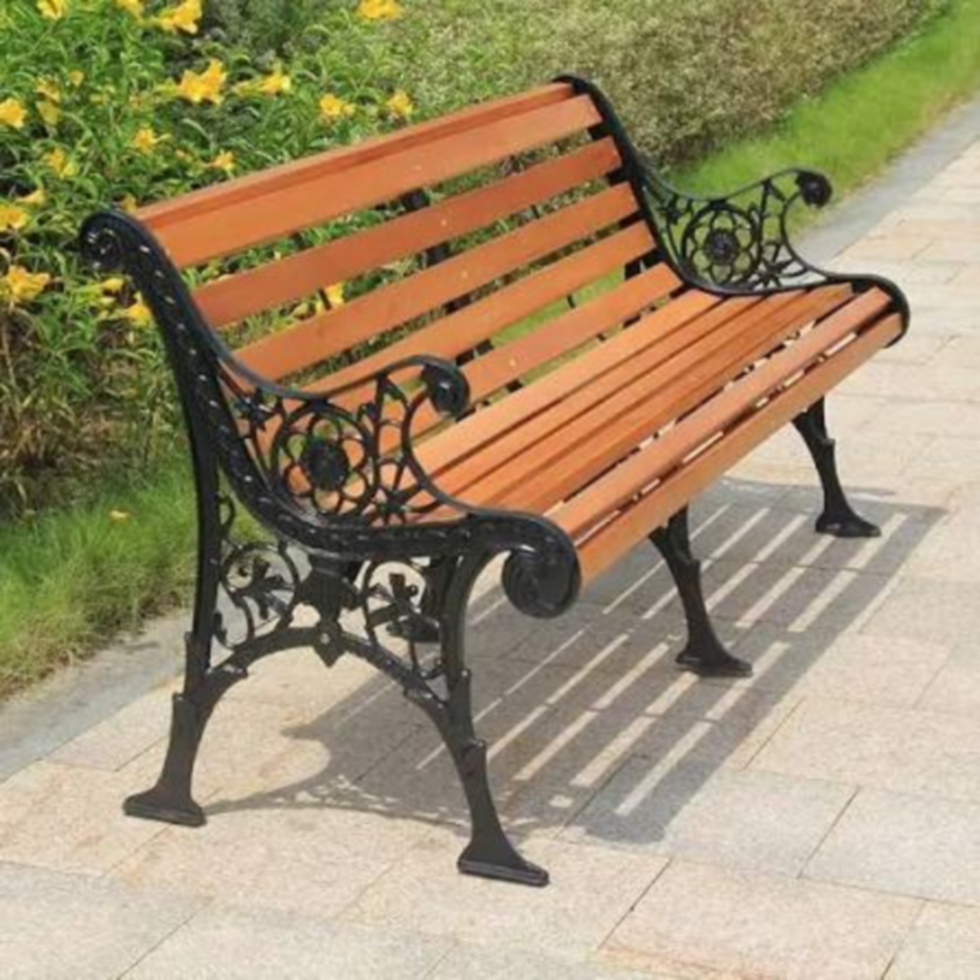
What’s also nice about ductile iron is that it doesn’t have to look boring. It can be cast into all kinds of detailed designs that are hard to pull off with materials like wood or aluminum. That’s why you’ll see it in parks, hotels, and other places where the bench is part of the overall look. A detailed ductile iron bench with scrollwork and armrests has a completely different feel than a basic metal frame.
The main things to keep in mind are weight and maintenance. These benches are heavy, so they’re usually anchored in place rather than moved around. And like any iron product, they need protection from rust. A good coating helps a lot and means you won’t be spending your time constantly touching it up.
5.Cast Iron Benches
This classic pick is ideal for your decorative outdoor benches. After all, the trend of cast iron benches seems to have been around since the Victorian era. Even today, you can see these benches in parks, shopping centers, university campuses, and old public spaces everywhere in the world, especially in Europe and North America. The look is hard to fake, and if you’re going for that traditional, timeless style, cast iron is pretty tough to beat.
The downside? It’s not as forgiving as some other materials. It’s more brittle than ductile iron, so it won’t flex much if it takes a hard hit or the ground shifts. And because it’s heavy, getting it installed takes more work, and moving it later isn’t something you’ll want to do often.
You also have to stay on top of rust protection. Keep the finish maintained, and it can look great for years. Ignore it, and corrosion will eventually become a problem. For historic projects or places where that classic look really matters, it’s still a solid choice. Just know it needs a bit more attention than galvanized steel or aluminum.
How Can Park Benches Affect Your Living Conditions and the Environment?
Nobody likes to bring this up very often... but the material you choose isn't merely about looks or durability. It also affects the way a space feels, how people interact with it, how accessible your space becomes with it, and sometimes even the environment around it.
Benches Shape How People Use Public Spaces
Just think about the last time you saw a nice park bench. If it looked clean, sturdy, and comfortable, you probably didn't think twice about sitting down. That's exactly the point. A backless bench is handy when you just want to stop for a minute, while a bench with back makes it easy to stay a little longer.
The material is a big part of that experience. A commercial bench made from galvanized steel, cast iron, or other durable materials keeps looking good and doing its job year after year. When benches are well built, people use them. When they're rusty, loose, or falling apart, most people just walk right past.
Material Choice and Environmental Impact
There’s one question that most people never ask: How many times is this bench going to be replaced? That matters more than you might think. A bench that lasts 20 years is usually a better choice than one that needs replacing every five, both for your budget and for the environment.
That's one reason cast iron and aluminum benches are popular. Both can be recycled at the end of their life, and aluminum is especially energy-efficient to recycle. Some benches also use recycled plastic slats, which give post-consumer waste a second life and don't need regular painting or sealing.
Wood benches and concrete both have their place, but if sustainability is on your checklist, it's worth looking at the full life of the bench, not just the upfront cost.
Comfort, Accessibility, and Inclusion in a Commercial Bench
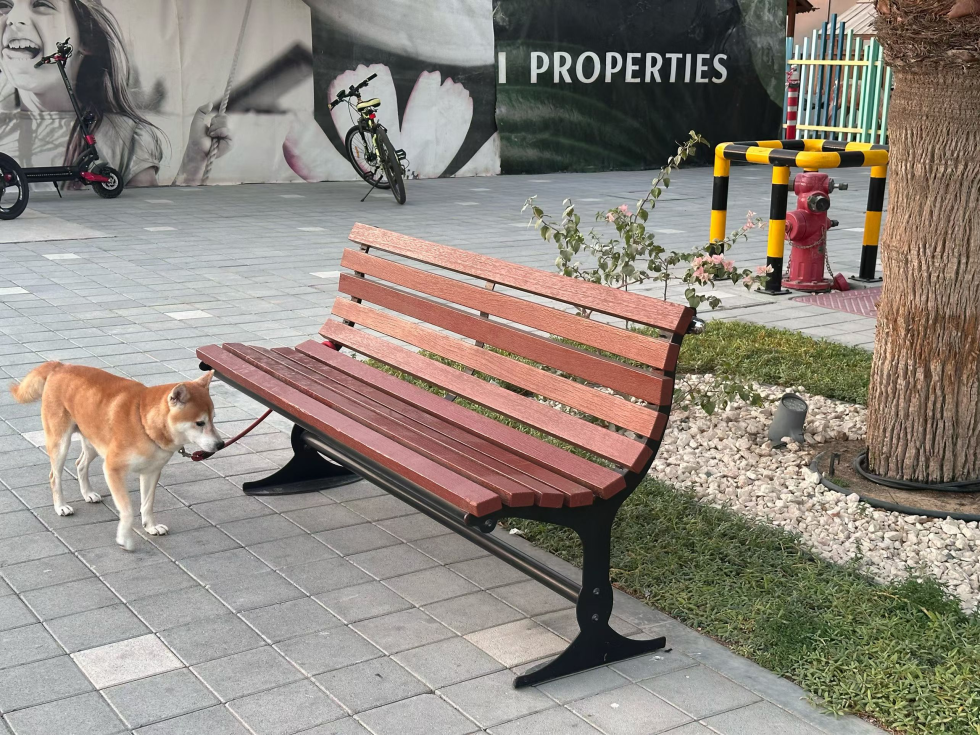
Ever notice how some benches make you want to sit for a while, and others make you want to get right back up? That's mostly down to the design. A bench without back works well in busy spots where people are just stopping for a minute. But in parks and other shared spaces, a bench with back is a much better fit, especially for older adults or anyone who needs a little more support.
That's why these details matter. Whether you're choosing seating for a park, a school, or a commercial property, the right materials and design help create spaces that feel comfortable, welcoming, and well looked after. Small decisions like these can make a bigger difference than most people realize.
Need Something That Isn’t Off The Shelf?
Standard catalog benches work for a lot of projects, but sometimes you need something that fits the space a little better. That’s where custom options come in. Aluminum, galvanized steel, and ductile iron all give you plenty of ways to get the look you want without going overboard on cost.
Aluminum is usually the easiest one to customize. You can shape it pretty much however you want, choose from tons of colors, and still keep the price reasonable.
Want something with a more classic, decorative feel? Ductile iron is a great choice. It’s the kind of material you see in historic areas, parks, and nicer outdoor spaces where the look matters just as much as the function.
And if you need something that’s built like a tank, galvanized steel is the way to go. You get a lot of design options, but with a heavier, more solid feel that’s made to last.
The Short Version: Ideal Materials for Outdoor Park Benches
If you love the natural look of wood, go for it. It adds a lot of warmth and character. Just know it’ll need a little more care to keep looking good. Aluminum is a great choice if you want something lightweight, rust-resistant, and easy to customize.
Need something that can take a beating in a busy public area? Galvanized steel is usually the way to go. It’s built for heavy everyday use and doesn’t need much attention. And if you want a bench with more decorative detail while still getting serious durability, ductile iron is a great fit, especially for historic spaces, restorations, and more traditional designs.
At the end of the day, it really comes down to what your space needs. Think about the weather, how much use the bench will get, and how much maintenance you’re willing to handle. Get those things right, and choosing the right bench gets a lot easier. Check out what sort of benches are available in the market today.