How to Specify a Custom Outdoor Bench for a Public Space
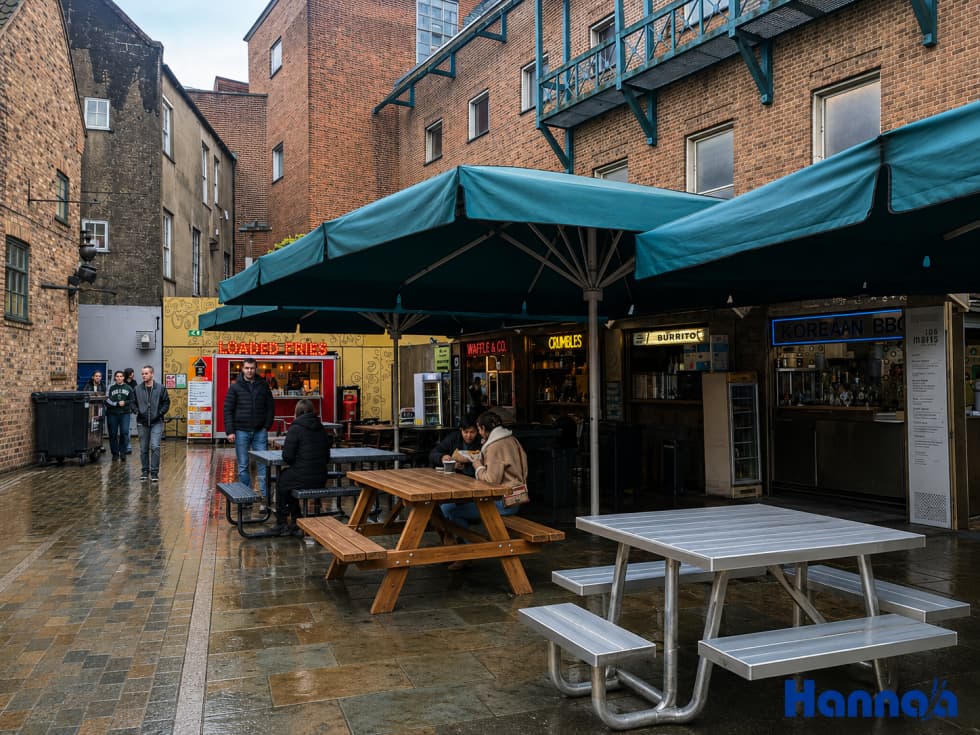
An outdoor bench in a public project has to do more than look good in a product catalogue. It needs to suit the people who will use it, fit the site plan, withstand the local environment, and remain practical for the team responsible for cleaning and maintenance.
That is why a project specification is more useful than a general request for “a durable outdoor bench.” A clear specification gives the manufacturer enough information to recommend a workable construction, prepare an accurate quotation, and produce a sample that can be reviewed before the full order.
This guide explains the points that planning and design firms should confirm when specifying custom benches for parks, schools, streetscapes, campuses, residential developments, and other public spaces.
1. Start with the Users and the Site
The right bench depends on who will use it and where it will be installed. A bench for a quiet garden may have different requirements from seating beside a sports field, school entrance, transport stop, or busy pedestrian route.
Before choosing a design, record:
The project type and location
Expected daily traffic and peak use
Whether users will sit briefly or for longer periods
Exposure to rain, snow, heat, salt, dust, or pollution
The paving, concrete, soil, or deck surface beneath the bench
Cleaning access and maintenance equipment
Whether the bench will be moved, fixed, or installed permanently
Any local safety, accessibility, or public procurement requirements
For a multi-location project, also identify which conditions are shared and which vary by site. This helps determine whether one standard bench can be used everywhere or whether several configurations are needed.
2. Confirm the Main Dimensions
Dimensions influence comfort, circulation, installation, and the appearance of the whole site. They should be shown on a drawing rather than left to interpretation.
Confirm:
Overall length, width, and height
Seat height and seat depth
Backrest height and angle, if included
Armrest position and clearance, if included
Leg or support spacing
Clearance beneath the seat
End returns and side projections
Fixing plate and anchor-hole positions
The correct dimensions depend on the intended users, local design guidance, and the surrounding landscape plan. A bench near a path may need enough clear space for circulation. A bench in a school project may need a design that is easy to supervise and clean. A formal civic project may require a consistent relationship between the bench, paving modules, planting, and lighting.
Do not rely on a photograph as the only reference. Two benches can look similar while having different seat depths, support positions, and fixing details.
3. Choose the Construction and Material
Custom outdoor benches may use steel, cast iron, aluminum, wood, recycled plastic, or a combination of materials. The choice should follow the project environment and maintenance plan.
For metal components, discuss:
Material grade and thickness
Tube, angle, plate, cast, or formed construction
Welded or bolted connections
Replaceable slats or panels
Drainage and water-shedding details
Weight and handling requirements
Access to fasteners for future maintenance
A heavier frame may be useful where stability and resistance to movement are important. A modular construction may be more practical when damaged slats or panels need to be replaced. The best solution depends on the project owner’s maintenance approach and the installation team’s available equipment.
If the bench combines metal with wood or recycled plastic, specify the relationship between the materials. Include the slat profile, spacing, end treatment, fasteners, and expected replacement method.
4. Select a Finish for the Environment
The finish affects appearance and corrosion protection. “Outdoor coating” is not a complete technical specification.
Discuss:
Surface preparation before coating
Powder coating, galvanizing, or another coating system
Color, gloss, and texture
Treatment of welds, edges, holes, and hidden faces
Protection during packing and transport
Touch-up and repair after installation
For a public project, the finish may need to match other street furniture, signs, fences, or architectural elements. Ask for a physical color or texture sample where the visual result is important.
The site environment should guide the decision. Coastal, industrial, humid, and high-traffic locations may require a different corrosion protection approach from a sheltered garden. The supplier should review the complete product design and not judge the finish by color alone.
5. Review Anchoring and Installation
An outdoor bench is only as reliable as its connection to the site. The drawing should show how the bench will be placed, leveled, and fixed.
Confirm:
Surface type and foundation assumptions
Number and position of anchor points
Fixing plate dimensions
Anchor-hole diameter and access
Concealed or visible fasteners
Drainage around the base
Installation tools and sequence
Whether the bench can be removed for maintenance
The manufacturer can prepare the bench and fixing details, but the project team must confirm the final foundation and anchoring method for the actual site. Local building, safety, accessibility, and public-space requirements should be checked by the responsible design professional.
6. Consider Comfort, Circulation, and Accessibility
Comfort is influenced by more than seat height. The back angle, seat depth, edge treatment, surface temperature, armrests, and surrounding space all affect how a bench is used.
Review:
Whether the front edge is comfortable and safe
Whether the surface can collect water
Whether armrests help users sit and stand
Whether the backrest supports the intended use
Whether adjacent paths and clear spaces remain open
Whether the layout supports the project’s accessibility requirements
Do not claim compliance with a local standard until the project requirements and final installation have been reviewed. A manufacturer can provide dimensions and drawings, while the design team remains responsible for confirming the applicable rules in the target location.
7. Decide Which Details Should Be Customized
Customization can improve the relationship between the bench and the project, but every custom detail should have a purpose.
Possible options include:
Custom length or seating capacity
Cast or laser-cut decorative patterns
Project or municipal branding
Special colors and textures
Armrests or intermediate divisions
Matching tables, bins, planters, or bicycle racks
Concealed fixings
Removable components for maintenance
A repeatable design for several sites
For importers and wholesalers, it is useful to separate the standard product specification from optional variants. That makes repeat orders easier and reduces confusion when the same bench is supplied to several customers.
8. Approve a Drawing and Sample Before Production
The drawing should show the complete product, including dimensions, materials, finish, fasteners, fixing details, and revision information. If the design is new or the order quantity is significant, a physical sample can reveal issues that are difficult to see on a screen.
Use the sample to review:
Overall scale and appearance
Sitting comfort and edge treatment
Color, gloss, and surface texture
Welds, joints, and visible hardware
Stability and installation details
Packaging and handling condition
Record the approved drawing, sample photographs, finish reference, and any accepted variations. Production should follow one controlled revision.
9. Set Inspection Points for the Finished Batch
The purchase order should state what will be checked before dispatch. A basic inspection plan may include:
Product quantity and identification
Overall dimensions and key tolerances
Material and component confirmation
Weld quality and surface condition
Coating coverage and color consistency
Hardware and accessories
Fixing plates and anchor holes
Packing, labels, and loading photographs
For a government, school, or park project, clear inspection records can make handover easier. Importers and wholesalers also benefit from consistent records when they need to support repeat orders or customer questions.
10. Prepare a Complete RFQ Brief
Send the manufacturer:
Project type and installation environment
Quantity and possible repeat quantity
Dimensioned drawing or marked-up reference image
Material and construction preference
Finish, color, texture, and corrosion requirements
Anchoring and installation information
Sample requirement and approval process
Packaging and delivery destination
Required documents and inspection records
Target quotation and delivery timeline
If any item is not final, label it as an open point. This is better than allowing different suppliers to make different assumptions.
How Hannah Can Support a Custom Bench Project
Hannah presents a custom manufacturing process that includes design and prototyping, laser cutting, bending and welding, surface treatment, and delivery. That service scope can support project teams that have a drawing, a reference product, or a bench concept that needs to be developed for production.
When contacting the manufacturer, share the project application, estimated quantity, dimensions, preferred materials, finish, installation environment, and delivery destination. Hannah can then review which details need engineering confirmation, a sample, or a revised drawing before mass production.
Review the outdoor bench range and send the project brief through the quote request page.
Frequently Asked Questions
What Information Does a Manufacturer Need to Quote a Custom Outdoor Bench?
The most useful information includes quantity, dimensions, material, finish, installation environment, anchoring method, delivery destination, and target timing. A drawing or marked-up reference image improves the quotation.
Should a Public Project Approve a Physical Bench Sample?
A sample is useful when the design, finish, material combination, or order quantity makes a mistake expensive. It allows the team to review scale, comfort, appearance, and installation before mass production.
Can the Same Bench Design Be Used for Several Sites?
Yes, if the project conditions and local requirements are suitable. Record a controlled drawing and finish reference so future orders follow the same specification.
How Should a Buyer Choose Between Powder Coating and Galvanizing?
Consider the environment, appearance, maintenance access, impact risk, and project specification. The manufacturer should review the complete design and recommend a workable process.
Can Outdoor Benches Include Branding or Custom Patterns?
Many designs can include custom patterns, logos, colors, or other details. The manufacturer should confirm the drawing, tooling, production method, and minimum quantity before approval.
Final Takeaway
A strong outdoor bench specification connects the product to the site. Define the users, dimensions, materials, finish, anchoring, maintenance plan, and inspection requirements before asking for a final quotation.
This process helps planning and design firms prepare clearer project documents and helps manufacturers produce a consistent result. It also gives importers and wholesalers a repeatable specification for future orders.
For a custom bench made for a park, school, government, or public-space project, send your drawings and requirements to Hannah.