Outdoor Trash Bin Design Guide for Public Projects
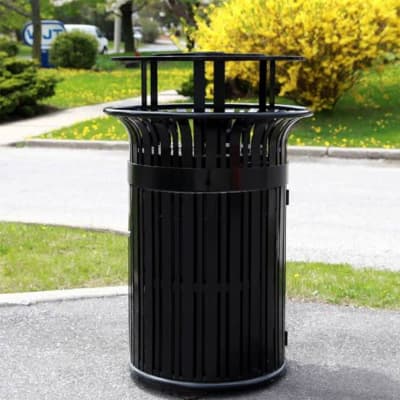
An outdoor trash bin is a small product with a large effect on a public space. Its size, opening, location, finish, and servicing method influence cleanliness, maintenance time, user behavior, and the appearance of the whole project.
For a government, school, park, campus, or public-space project, choosing a bin from a catalogue is only the first step. The project team also needs to confirm how much waste the bin should hold, how it will be emptied, how it will be fixed, and how the design will work with other site furniture.
This guide explains the main points to include when specifying custom outdoor trash bins for a public project or a repeat B2B product range.
1. Start with the Waste Collection Plan
The right bin depends on the location and the waste collection routine. A bin beside a playground may receive different waste from one near a food area, sports field, transit stop, or school entrance.
Before choosing a design, identify:
Project type and location
Expected foot traffic and peak use
Main waste types and contamination risks
Collection frequency
Whether recycling or multiple waste streams are required
Cleaning equipment and service access
Exposure to rain, snow, salt, heat, animals, or strong wind
Whether the bin will be placed indoors, outdoors, or under a shelter
The collection plan should influence the opening, liner, capacity, access method, and number of bins. A visually attractive bin may still perform poorly if it fills too quickly or takes too long to empty.
2. Select the Right Capacity and Format
Capacity should be based on actual use rather than a general product label. A project team can compare expected waste volume, collection frequency, available space, and handling requirements.
Confirm:
Overall dimensions and footprint
Usable internal capacity
Opening size and position
Single or multiple compartments
Liner, removable container, or bag-retaining system
Top access, front access, or removable body
Weight when empty and when full
Clearance required for servicing
Large capacity can reduce collection frequency, but it may increase product weight and handling difficulty. Smaller units may fit a narrow path or school area more easily but require more frequent servicing.
For importers and wholesalers, define the standard capacity separately from optional versions. This makes product data clearer for distributors and helps prevent errors in repeat orders.
3. Choose Materials for the Location
Outdoor trash bins may use steel, stainless steel, aluminum, cast iron, recycled plastic, or combinations of materials. The choice should reflect the environment, expected impact, visual requirements, and maintenance resources.
Discuss:
Material grade and thickness
Structural frame and body construction
Welded, bolted, or removable panels
Resistance to impact and vandalism
Corrosion protection
Replacement parts and repair access
Weight, lifting points, and handling method
A school or public park may need rounded edges and a robust body that is easy to clean. A civic project may require a coordinated appearance with benches, bollards, signs, or bicycle racks. A coastal site may need a more careful review of material and coating selection.
4. Specify the Surface Finish
The finish affects the product’s appearance, cleaning, and corrosion resistance. A quotation should state more than “black outdoor paint.”
Confirm:
Surface preparation before coating
Powder coating, galvanizing, or another coating system
Color, gloss, and texture
Treatment of welds, cut edges, holes, and hidden faces
Resistance to cleaning products and regular handling
Touch-up method after installation
Packaging protection during transport
For a public project, ask for a physical sample or approved color reference when visual consistency matters. The finish should also be coordinated with other site furniture so that the completed space looks intentional rather than assembled from unrelated products.
5. Design the Opening Around User Behavior
The opening is one of the most important functional details. It needs to be obvious enough for users, but controlled enough to reduce rain entry, oversized waste, and misuse.
Review:
Opening shape and size
Whether the opening is covered or open
Rain protection and drainage
Visibility of the internal liner
Ease of use for different users
Risk of sharp edges or pinch points
Whether cigarette disposal or a separate ash feature is needed
Whether recycling openings require different shapes or labels
Do not assume that one opening design suits every project. A park, school, sports facility, and transport area may have different behavior patterns and maintenance needs.
6. Make Emptying Safe and Efficient
The bin must be practical for the people who service it. A design that looks secure but takes too long to open can increase maintenance cost and discourage regular collection.
Confirm:
Door or lid opening direction
Lock type and key management
Liner removal method
Bag-retaining details
Handles or lifting points
Internal surfaces that may trap liquid
Cleaning access and drainage
Space needed for the service worker
For a government or school project, the service routine should be reviewed with the maintenance team before the final design is approved. The best product is one that the team can empty, clean, and close without unnecessary steps.
7. Plan the Installation and Anchoring
Public bins are often placed where they may be moved, knocked, or exposed to wind. The project drawing should show how each bin will be positioned and secured.
Confirm:
Ground or surface condition
Base plate and anchor-hole position
Concealed or visible fasteners
Removable versus permanent installation
Clearance from paths, doors, benches, and planting
Drainage around the base
Installation tools and sequence
The final installation must follow the project’s local safety, accessibility, and public-space requirements. The manufacturer can provide product dimensions and fixing details, while the responsible design team confirms the site layout and applicable regulations.
8. Coordinate the Bin with the Wider Site Design
Waste bins are more effective when they are placed as part of the overall site plan. They should be easy to find without interrupting circulation or creating an obstruction.
Coordinate the bin with:
Benches and picnic tables
Pedestrian routes and entrances
Bicycle racks and bollards
Lighting and signs
Planting and irrigation
Collection vehicle or service routes
Recycling and waste-sorting information
For a public project, a matching family of products can create a more consistent visual language. A manufacturer may be able to coordinate colors, patterns, frame details, and mounting methods across several product categories.
9. Include Identification, Labels, and Branding
Labels and visual instructions can help users understand what belongs in each bin. The design may include a project logo, municipal identity, recycling symbol, or custom cut-out pattern.
Confirm:
Label size and location
Engraved, printed, applied, or replaceable graphics
Language requirements
Recycling or waste-stream symbols
Logo ownership and artwork format
Protection of the label from weather and cleaning
Avoid adding graphics after production without checking how they will affect the finish and cleaning process. Include approved artwork in the drawing or purchase specification.
10. Approve Drawings, Samples, and Inspection Points
Before mass production, approve a drawing that shows the body, lid, opening, liner, hardware, base, finish, labels, and revision number. A sample is useful when the design is new, the quantity is high, or several materials are combined.
Inspect:
Overall dimensions and capacity
Opening and access function
Door, lid, hinge, and lock operation
Liner fit and removal
Welds, edges, and visible surfaces
Coating coverage and color consistency
Base plate and anchor holes
Labels and artwork
Packing, identification, and loading condition
For repeat orders, keep the approved drawing and finish sample as the reference. This is particularly important for importers and wholesalers supplying the same product to multiple customers.
11. Prepare a Complete RFQ Brief
Send the manufacturer:
Project type, location, and expected traffic
Waste types and collection frequency
Required capacity and number of compartments
Overall dimensions and space limitations
Material, thickness, and construction preference
Finish, color, texture, and corrosion requirements
Opening, liner, access, lock, and drainage requirements
Anchoring and installation information
Labels, artwork, and language requirements
Sample, inspection, packaging, and delivery requirements
Also state whether the request is for one project, a framework order, or a repeat product range. That information can affect the recommended construction and tooling approach.
How Hannah Can Support a Custom Trash Bin Project
Hannah’s website presents custom manufacturing capabilities that include design and prototyping, laser cutting, bending and welding, surface treatment, and delivery. These capabilities can support project teams that need a public-space trash bin adjusted for a particular footprint, appearance, finish, or mounting method.
When requesting a quotation, send the project application, approximate quantity, dimensions, waste collection method, preferred material, finish, artwork, installation environment, and destination. The manufacturer can then identify which details require a drawing review or sample before production.
Review the outdoor trash bin range and send the project information through the quote request page.
Frequently Asked Questions
What Should Be Considered When Choosing a Public Park Trash Bin?
Consider waste volume, collection frequency, opening design, weather exposure, material, finish, anchoring, cleaning access, and coordination with the surrounding site furniture.
Should Outdoor Trash Bins Have Liners?
Many projects use removable liners or containers because they can make collection and cleaning easier. The right system depends on the maintenance routine, product size, and expected waste type.
How Can a Trash Bin Be Protected from Rain?
The design may use a covered opening, sloped surfaces, drainage, and an internal layout that limits water retention. The manufacturer should review the complete design for the actual installation environment.
Can Public Trash Bins Include Recycling Compartments?
Yes, a product can be designed with multiple compartments or coordinated units. Confirm opening shapes, labels, liners, collection routes, and local waste-sorting requirements before approval.
Can the Same Trash Bin Design Be Supplied to Several Projects?
Yes, if the approved drawing, finish, hardware, labels, and inspection criteria are controlled. Optional colors, capacities, and mounting details should be documented separately.
Final Takeaway
An effective outdoor trash bin specification connects user behavior with the maintenance routine and the site design. Define the waste stream, capacity, opening, liner, material, finish, anchoring, labels, and inspection process before requesting a final quotation.
For planning and design firms, this creates a clearer project specification. For importers and wholesalers, it creates a repeatable product standard that can be used across customer orders.
For a custom outdoor trash bin for a park, school, government, or public-space project, send your project requirements to Hannah.